


A model of transience and freezing: Many sokobans on a line
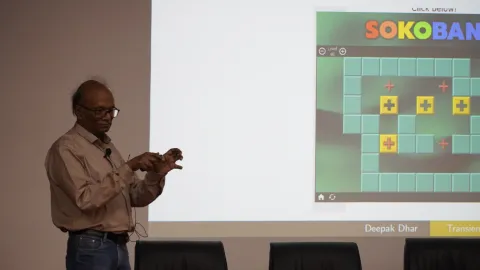
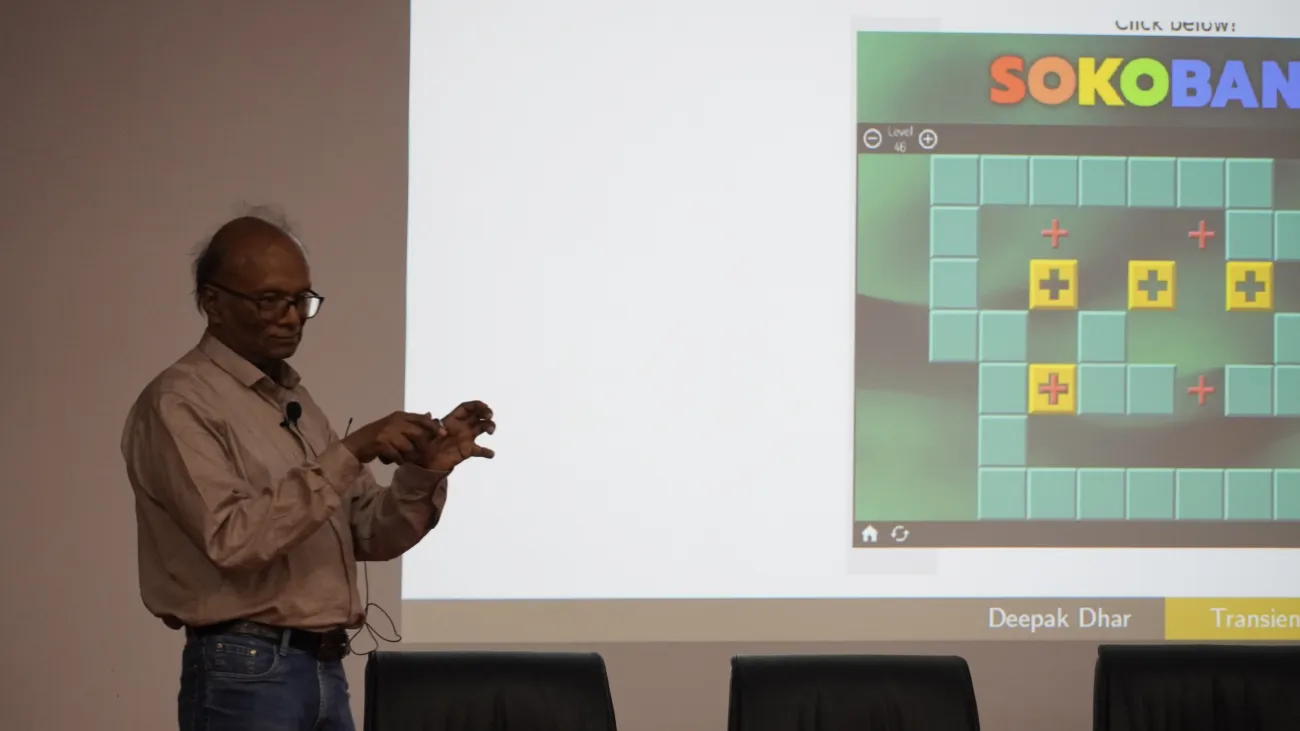
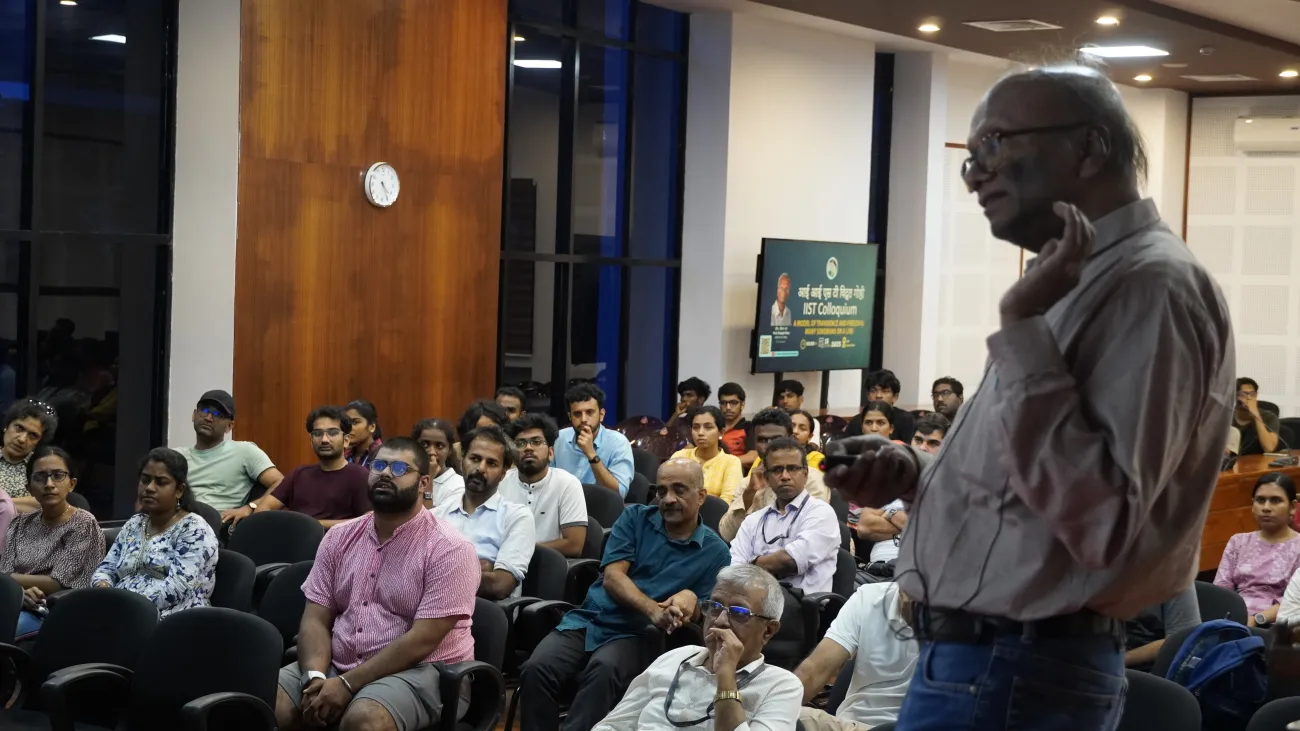
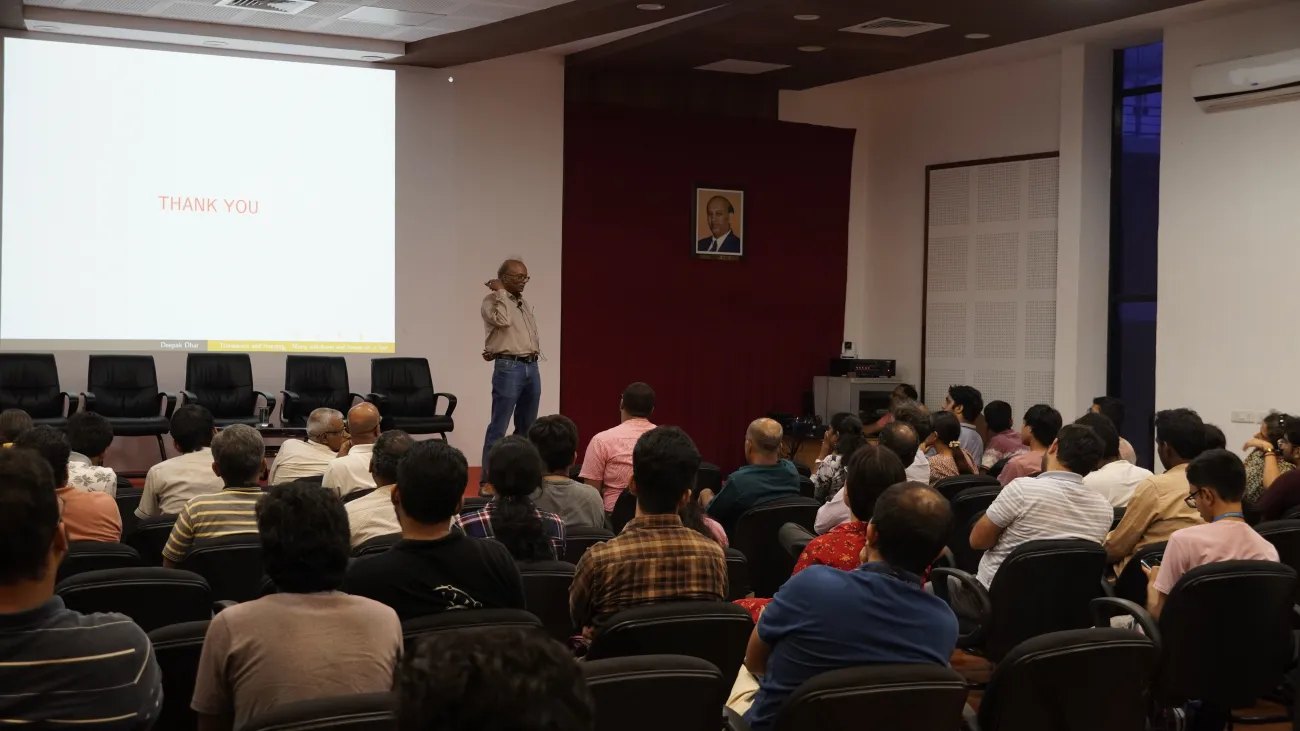
Prof. Deepak Dhar discussed a toy model of many interacting diffusing particles in a disordered medium. The model is inspired by a video game. In this game, there is a storehouse, represented by a square grid of sites. In this storehouse, there are placed several agents called ‘sokobans’ (store-keeper in Japanese), which can moved along the grid by the player, by using a joystick. The store also has some boxes put on some sites of the grid. A sokoban can push a box to another site in its direction of motion, but only if the next site is empty. There is also the hatd-core constraint that a site can have only one sokoban, or a box, or be empty. In the model, the sokobans move diffusively at random, and can also push boxes at random. It is like the well-studied model of ant-in-a-labyrinth, initially proposed by de Gennes to describe fluid flow in porous rocks. But the difference here is that the motion of the diffusing fluid also modifies the medium. In this model, if two boxes are occupying adjacent sites, they can not be moved, either from the left or the right, and they become immobile. We start the system in a random initial state. As time evolves, more and more boxes become immobile, and the long-time steady state of the system shows a strong break down of ergodicity. The phase space of the system breaks up into a large number of mutually disconnected subsets. He discussed the characterization of this breakup. In the model in one dimension, we can get many exact results using generating functions techniques. Higher dimension cases are well defined, but harder to study in detail.
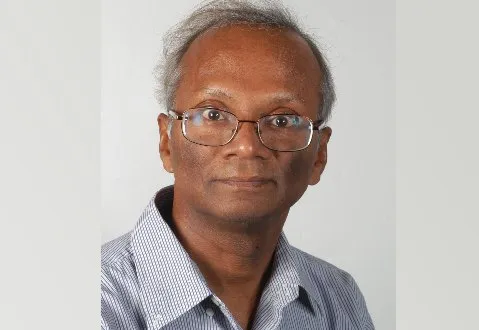
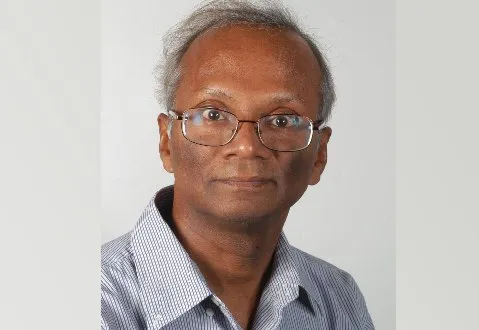
Prof. Deepak Dhar is an eminent Indian theoretical physicist renowned for his contributions to statistical physics. An alumnus of IIT Kanpur and Caltech, USA, he spent most of his research career at TIFR, Mumbai, and is currently an INSA Distinguished Professor at the International Centre for Theoretical Sciences (ICTS-TIFR), Bengaluru. Prof. Dhar has received numerous prestigious awards, including the Shanti Swarup Bhatnagar Prize for Science and Technology (1991), the J. Robert Schrieffer Prize (1993), and the Satyendra Nath Bose Medal (2001). He is an elected fellow of all three major Indian science academies - IASc, INSA, and NASI. In 2022, he became the first Indian to receive the Boltzmann Medal, the highest honor in statistical physics. In recognition of his outstanding contributions to science, he was conferred the Padma Bhushan in 2023.
Venue
Event Details
-
Mode:In-Person